
Lafayette County 72 Hour Booking
Lafayette County 72 Hour Booking records are a practical place to start when you need to check a recent arrest, confirm custody, or move from a jail entry to the public court record. The sheriff's office handles law enforcement and jail services, and the clerk of courts maintains the filed case record. If you start with the sheriff and then move to CCAP, you can usually tell whether the person is still held, already in court, or ready for a copy request. That is the cleanest way to work the county record trail here.
Lafayette County Overview
Lafayette County 72 Hour Booking Search
The Lafayette County Sheriff's Office provides law enforcement and jail services for the county. That makes the sheriff office the first contact when you need to know whether someone was just booked or is still in custody. In a fresh case, the sheriff side is the most immediate record source.
For the court side, use Wisconsin Circuit Court Access. Lafayette County court records are available through CCAP, and that public summary can show the filing side of the booking. It is the quickest way to connect a name or case number to the public case trail after an arrest.
If the person later appears in state custody, the Wisconsin DOC Offender Locator gives the next layer. It can show custody status for Lafayette County offenders, which is useful when the county jail record no longer gives the whole story.
Lafayette County Jail Records
Lafayette County jail records are centered on the sheriff office and the jail itself. The county research does not list a separate public roster or a lot of jail detail, so the local office becomes the place to start if you need custody confirmation. That makes the sheriff contact the best first step for a new booking.
The county court page at Lafayette County courts is the next stop when you need the file. The clerk of courts maintains court records, so the clerk is where you go for public access and a copy request after the booking has moved into the court system. That split is simple, but it matters.
Lafayette County works best if you use the sheriff, then CCAP, then the clerk. That order keeps the search tied to the office that actually holds the record you need. It also makes it easier to tell whether a case is still at the jail stage or already in the court file.
Lafayette County 72 Hour Booking Images
One non-flagged local image is available for Lafayette County, and it comes from the sheriff's office manifest entry. The source link is Lafayette County Sheriff's Office.
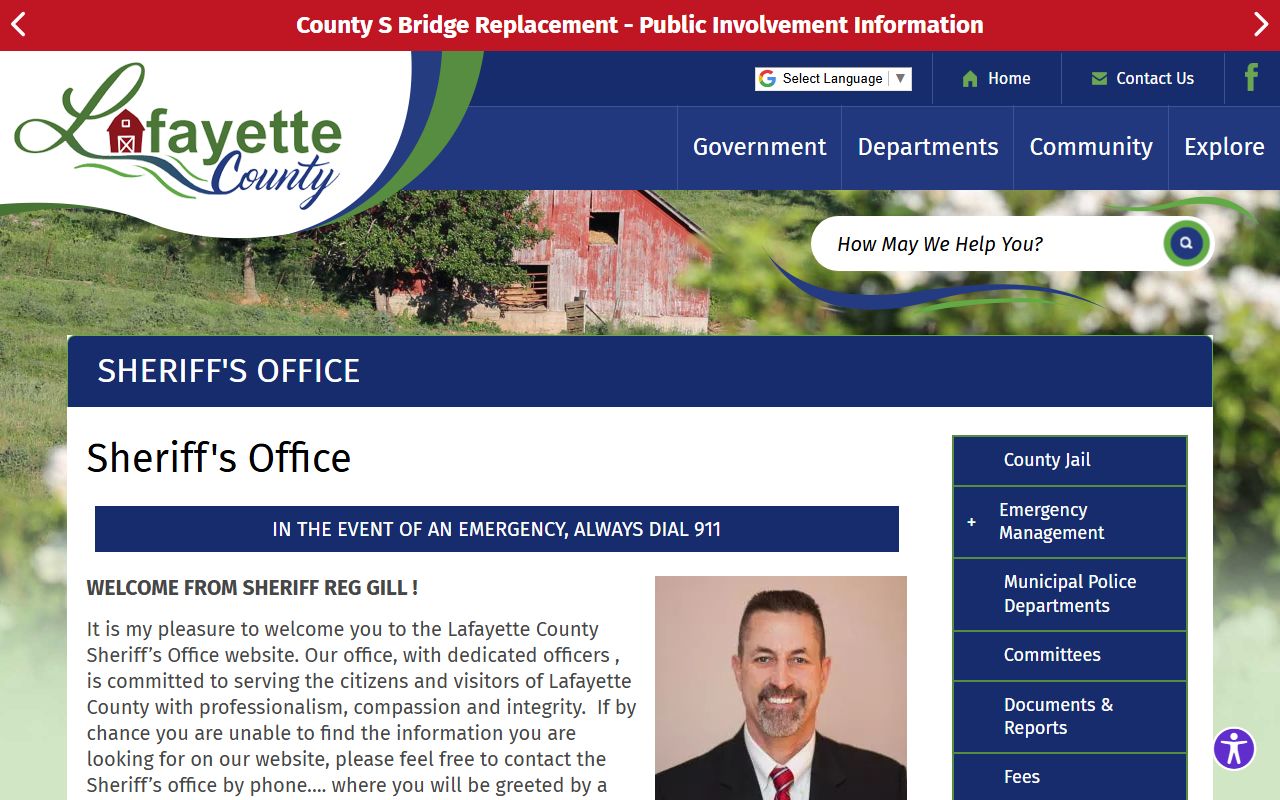
That local image keeps the page anchored to the county office that manages the live booking side of the search.
Lafayette County 72 Hour Booking Records
The Lafayette County Clerk of Courts maintains court records. That makes the clerk the right place to go when you need the case file or a copy after a booking has moved into the court system. The jail tells you about custody. The clerk gives you the filed record. Those are different records, but they work together in the same search.
Wisconsin's public records law at Wis. Stat. § 19.31 supports public access to records, and Wis. Stat. § 19.35 explains how direct copy costs can be charged. Those rules help shape sheriff and clerk requests in Lafayette County just like they do elsewhere in Wisconsin.
For broader custody context, Wisconsin DOC and Wisconsin VINE can help if the person transfers, moves, or is released. The Wisconsin State Law Library is also a good plain-language guide when you want to understand what follows arrest and booking.
Lafayette County searches are usually most effective when you think in layers. The sheriff gives you custody. CCAP gives you the case summary. The clerk gives you the document copy. Once those three sources line up, the search is easier to trust and much easier to explain.
That also helps when the county search is moving fast. A fresh booking may show up in the jail record before the court file catches up, so using both sources keeps the result accurate and current.
When you need a cleaner result, match the booking date with the charge list and the court case number. That keeps a similar name from pulling you toward the wrong file and saves time when the public record is still updating.
If the sheriff office record is brief, CCAP often gives the next clue. It can show the case path and help you tell whether the booking has already moved from intake to court tracking.
For a copy request, the clerk remains the best endpoint. That office holds the filed material, and it is the place that can confirm what is public and what is ready to inspect.
A careful search also makes the record easier to explain later. If a family member, lawyer, or court clerk asks for the basis of the result, the layered method shows how the name, booking date, and filed case connect.
That is useful in Lafayette County because the jail side and the court side do not always update at the same pace. A quick cross-check keeps the search grounded in the current public record instead of a stale screen. It also keeps the result easy to verify later.