
Appleton 72 Hour Booking Records
Appleton 72 Hour Booking searches usually begin with the city police records desk and then move to the Outagamie County jail and court system if the arrest turns into a filed case. Appleton is a city where the city police, county jail, county clerk, and municipal court each hold a different piece of the record, so the search works better when you follow the record in order. The police records desk keeps arrest and incident reports. The county jail shows custody and booking details. The county clerk and municipal court show where the matter landed after the arrest.
Appleton 72 Hour Booking Search
The Appleton Police Department maintains arrest records and incident reports for the city. The city records page at Appleton Police Department records is the first place to start when you need the city side of an Appleton 72 Hour Booking search. The police record often gives you the date, the report context, and the event trail that leads to the county jail and later to court.
The Outagamie County inmate list is the custody side. It is updated regularly and can be searched by last name or browsed alphabetically. The roster shows inmate name, booking date, housing location, bond amount, and custody notes. That makes it the natural place to check when you want to know whether the booking is current, whether the person is in work release, or whether the jail has already moved the person temporarily for court.
Appleton searches move through city police, county jail, county clerk, and municipal court in a fairly predictable order. That is helpful because one office can often point you toward the next. The police records desk starts the timeline, the inmate list shows custody, and the court records tell you what has been filed. When you follow the same order each time, the search is faster and easier to verify.
Appleton Police Records
The city police records page at Appleton Police Department records is the official route for arrest records and incident reports. The department keeps the records that begin the paper trail for a lot of Appleton 72 Hour Booking searches. 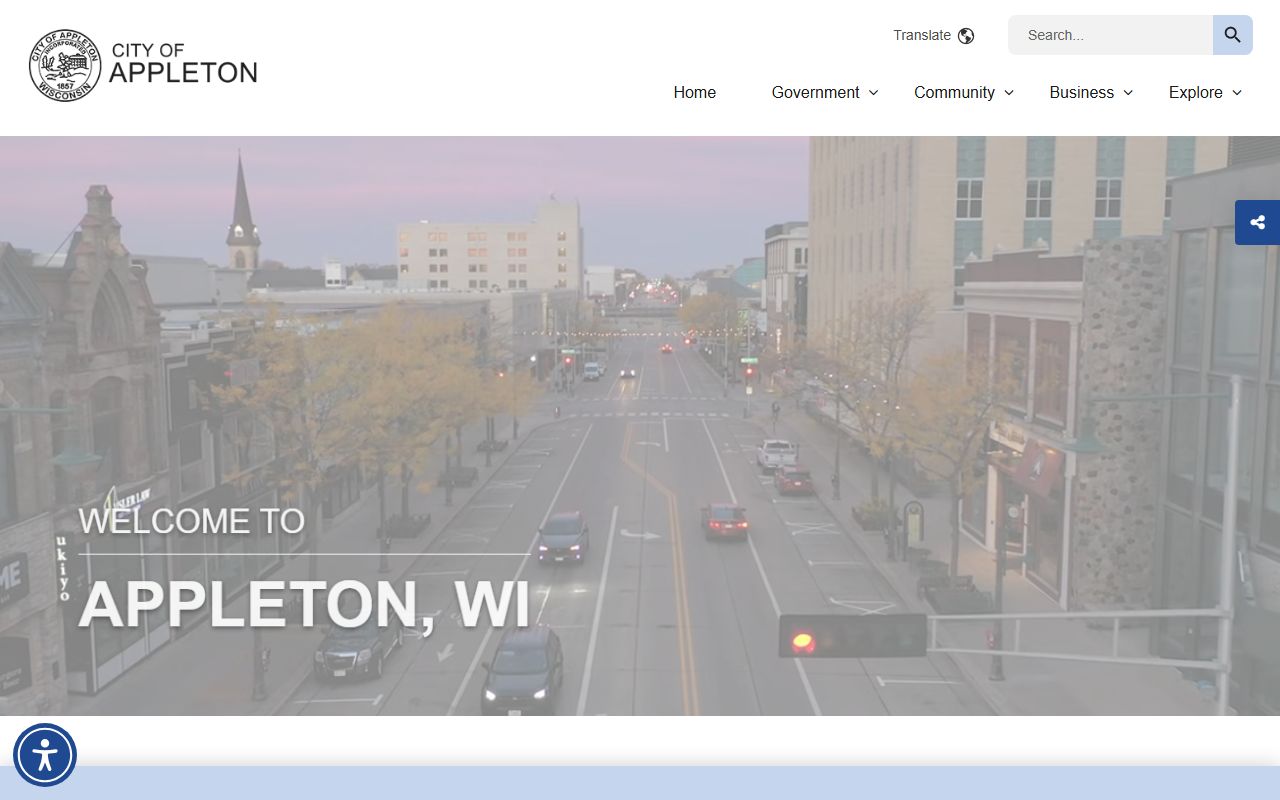 This local image matches the city records desk and keeps the page tied to the office that handles the first record request.
Appleton police records are useful because they often show the arrest before the county jail record is fully settled. That means the police report can give you the approximate date and the event context before you move to the county side. If you already know the report date, the request becomes much easier and the rest of the search usually falls into place more quickly. A police record also helps you decide whether the matter is likely to end in municipal court or in county court.
The city police records page at Appleton Police Department records pairs with the second local image because requests often go hand in hand with copies. 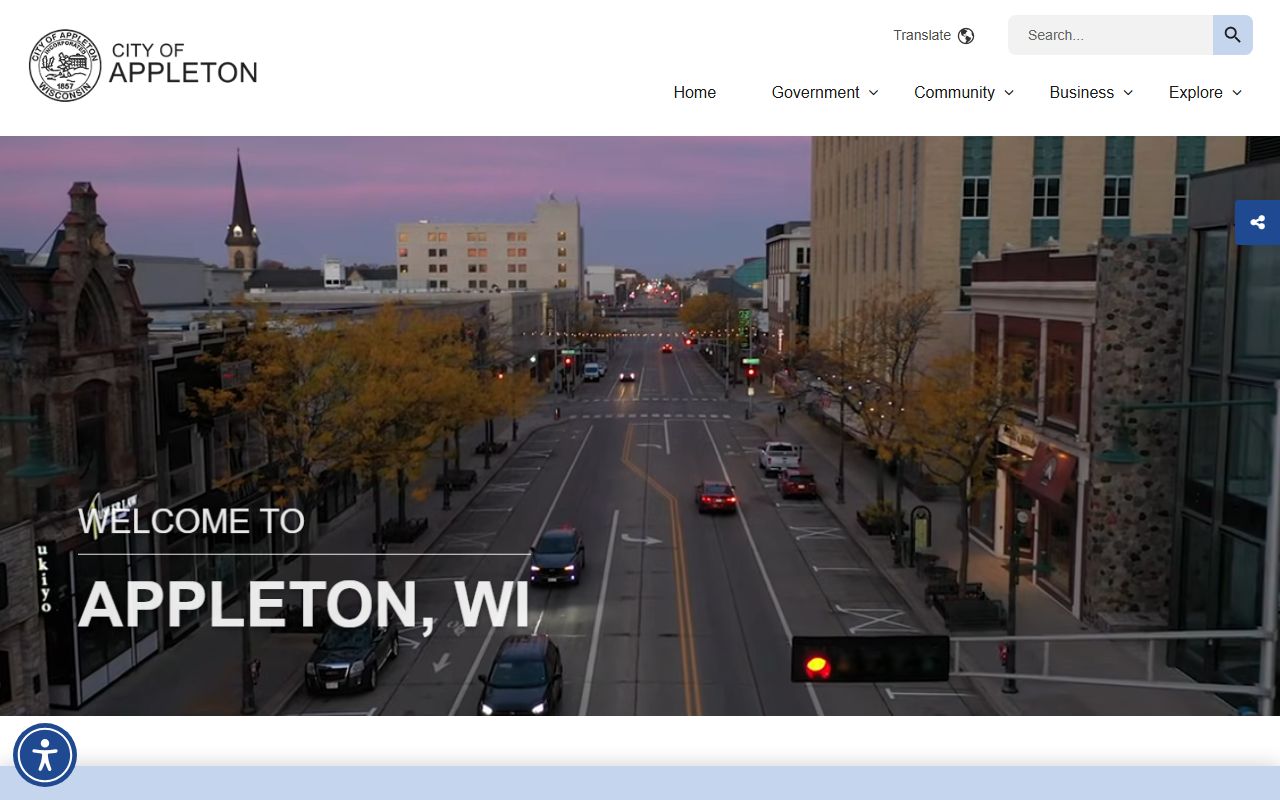 That gives the page a second local point from the manifest and keeps the city records side visible throughout the search.
Appleton 72 Hour Booking Court Access
The Outagamie County Clerk of Courts maintains all county court records, and the office is at the Outagamie County Justice Center in Appleton. That is where an Appleton 72 Hour Booking search moves once the arrest becomes a filed case. The county clerk keeps the criminal complaints, judgments, sentencing records, and case disposition information, so the court file is the official place to confirm what happened after the arrest.
Wisconsin Circuit Court Access is the statewide case tool for Outagamie County matters. It lets you search by case number or party name and see the public status of the case, which helps when you need to know whether the booking turned into a criminal case or is still just an arrest report. WCCA is especially helpful in Appleton because the city, county, and municipal court can each hold part of the story.
Appleton Municipal Court handles city ordinance violations and traffic citations for the city. That means not every Appleton arrest goes to county criminal court. Some stay in the city system, and the municipal court becomes the final stop. Knowing that split saves time because it tells you whether to keep looking in the county clerk's office or whether the municipal court is the right endpoint instead.
Appleton 72 Hour Booking Copies
Copy requests in Appleton depend on whether you need the police report, the jail record, or the court file. The city police records page handles arrest and incident reports. The county inmate list gives you booking information and custody notes. The county clerk handles court copies and certified copies. Because the records are split across offices, an Appleton 72 Hour Booking request should name the person, the date range, and the record type so the right office can answer it.
The Outagamie County Clerk of Courts provides public access terminals and can search cases in person or through CCAP. The office also uses a copy-fee and search-fee structure, so case numbers help reduce the amount of searching needed. If you do not know the case number, the county inmate list and WCCA can help you find it before you make a copy request. That keeps the request focused and cuts down on wasted time.
Appleton is a good example of a city where the arrest, booking, court case, and municipal citation can each sit in a different place. The best way to keep the record search under control is to follow the trail from police to jail to court in the same order every time. That keeps the copy request narrow and gives you the official file you actually need.
Appleton 72 Hour Booking Updates
Appleton records update in stages. The police report may be ready before the county inmate list has fully refreshed, and the court file may lag behind both. That means an Appleton 72 Hour Booking search should be checked again if the first result is incomplete. The police records desk, the Outagamie inmate list, WCCA, the county clerk, and the municipal court each cover a different part of the same timeline.
When the matter stays in city ordinance or traffic court, the municipal court and police records page may be enough. When it becomes a county criminal matter, the clerk and WCCA take over. If the person is still in custody, the inmate list will usually show the booking date, housing location, bond amount, and custody notes. Following those steps keeps the search reliable and helps you know which office to contact next.